


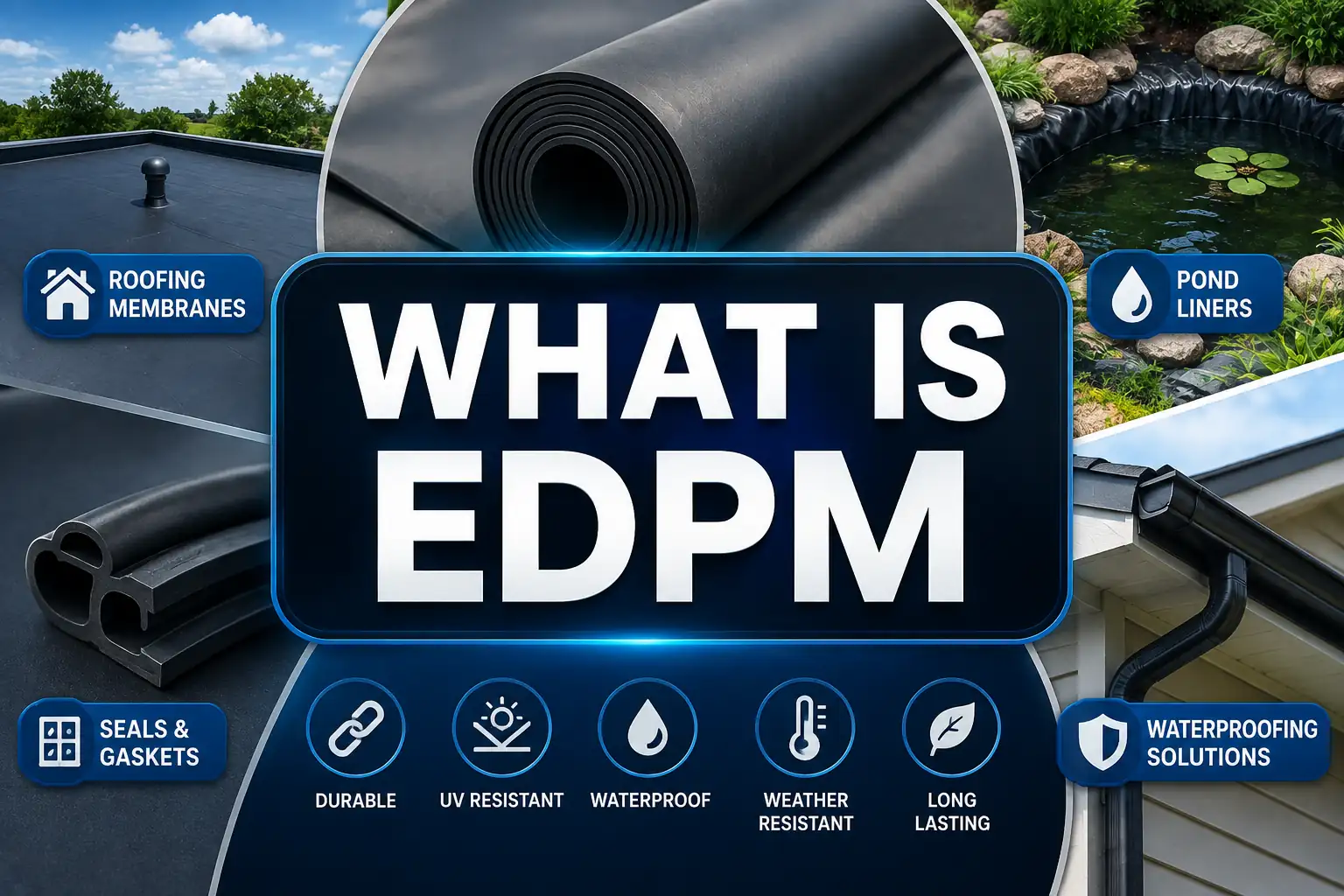
If you have been researching roofing materials for a home improvement project, you have probably come across the term EDPM. This is actually a common way of typing or searching for EPDM, one of the most widely used roofing materials in the United States, especially for flat and low-slope roofs.
Whether you searched for EDPM or EPDM, this guide covers exactly what you are looking for. We will explain what this material is, how it is made, its main features, and why so many homeowners and contractors choose it for their roofing projects.
On Quantumrun, we like breaking down home improvement materials in a way that is easy to understand, without drowning you in overly technical language. This guide follows that same approach, giving you a clear, practical understanding of EDPM roofing from start to finish.
By the end of this article, you will understand what is EDPM is, how it works, and whether it might be the right choice for your own home improvement project.
Roofing decisions are among the more significant choices a homeowner makes, both in terms of protecting the structure underneath and the overall long-term value of the property. Understanding the material options available, including EDPM, helps you have a more informed conversation with any contractor you eventually decide to work with.
What Is EDPM (EPDM) Roofing?
EDPM, more accurately spelled EPDM, stands for ethylene propylene diene terpolymer, or sometimes ethylene propylene diene monomer. It is a type of synthetic rubber material widely used as a roofing membrane, particularly on flat or low-slope roofs found on many homes and commercial buildings.
Unlike traditional shingles, EDPM comes in large, flexible rubber sheets. These sheets are installed directly over a roof’s surface, creating a single, continuous barrier against water, weather, and general wear over time.
This material has become one of the most trusted options in the roofing industry, particularly for roofs that do not have a steep slope, where traditional shingles are less effective at shedding water and protecting the structure underneath.
Flat and low-slope roofs present a unique challenge in roofing design. Without a steep angle to help water run off naturally, these roof types need a different kind of protection, one that can handle standing water and slow drainage without breaking down. This is exactly the gap that EDPM was designed to fill within the broader roofing industry.
The Meaning Behind the Name
The name EDPM, or more correctly EPDM, comes directly from its chemical composition. It is made by combining three different building blocks, ethylene, propylene, and a diene component, through a chemical process that creates a strong, flexible rubber material.
Understanding the name helps explain why this material performs so well as a roofing option. The specific combination of these chemical components gives EDPM its notable resistance to weather, temperature changes, and general wear, all qualities that matter significantly for something protecting your home from the elements.
While the technical name might sound complicated, the practical result is simple. It is a durable, flexible rubber sheet designed specifically to handle the demands of outdoor roofing applications over many years.
It can help to think of EDPM as an engineered upgrade to natural rubber. While natural rubber breaks down relatively quickly when exposed to sunlight and harsh weather, the specific chemical combination used in EDPM was developed to overcome exactly those weaknesses, resulting in a material built to last far longer under the same outdoor conditions.
How EDPM Roofing Is Made
Understanding the manufacturing process behind EDPM helps explain why this material performs so differently compared to older, more traditional roofing options.
The Manufacturing Process Explained
EDPM is created through a chemical process that combines its core ingredients into a single, unified rubber compound. This process results in a material that is notably different from natural rubber, which tends to break down faster when exposed to sunlight, heat, and general weathering.
The manufacturing process is specifically designed to create a material that can withstand years of direct sun exposure, temperature swings, and general environmental stress, all without breaking down the way many other materials eventually do.
Once manufactured, EDPM is typically produced in large, wide sheets. These sheets are designed to minimize the number of seams needed during installation, since fewer seams generally means fewer potential points where water could eventually find a way through the roofing system.
This focus on minimizing seams reflects a broader principle in roofing design. Seams are often the most vulnerable part of any roofing system, since they represent a joint between two separate pieces of material. By producing EDPM in wide sheets that can cover large roof areas with fewer seams, manufacturers directly address one of the most common sources of roofing failure over time.
Key Features of EDPM Roofing
EDPM offers several standout features that explain why it has remained a popular roofing choice for decades, particularly for flat and low-slope applications.
Durability and Weather Resistance
One of the most notable features of EDPM is its ability to withstand harsh weather conditions. This material generally resists damage from ultraviolet radiation, meaning prolonged sun exposure does not cause it to break down or degrade the way many other materials eventually do.
EDPM also handles temperature extremes remarkably well. It remains flexible even in very cold conditions, which helps prevent cracking during winter months in colder climates. At the same time, it holds up well under intense summer heat without becoming overly soft or losing its protective qualities.
This kind of consistent performance across different weather conditions makes EDPM a particularly strong choice for regions that experience significant seasonal temperature changes throughout the year, which describes much of the United States.
From the freezing winters of the northern states to the intense summer heat found across much of the south, EDPM’s ability to remain stable and flexible across such a wide temperature range is a significant practical advantage. Fewer materials can genuinely claim reliable performance across such a broad range of climate conditions.
Flexibility and Easy Installation
Beyond its weather resistance, EDPM is known for its flexibility. Because it comes in large rubber sheets, it can be shaped and adjusted to fit unusual roof designs, including areas with curves, corners, or irregular shapes that would be more difficult to cover with rigid roofing materials.
This flexibility also makes installation more straightforward compared to some other roofing systems. Fewer seams and simpler adjustments around unusual roof features generally mean a faster, more efficient installation process for contractors working on a project.
For homeowners, this translates into less disruption during a roofing project. A more straightforward installation process generally means less time spent with exposed roofing during the actual work, which matters for both convenience and protecting the interior of the home during construction.
A shorter installation timeline also tends to reduce overall labor requirements, which can make the entire process feel more manageable for homeowners coordinating a roofing project around their daily schedule. Less time with an open or partially completed roof also reduces the window of exposure to unexpected weather during the installation process itself.
Common Uses of EDPM
EDPM is used in a variety of applications, though roofing remains its most well-known and widely recognized use in the home improvement space.
Flat and Low-Slope Roofs
The primary and most common use of EDPM is on flat or low-slope roofs. Traditional shingles rely on gravity and a steep angle to shed water effectively. Flat and low-slope roofs do not have that natural advantage, which makes a continuous, waterproof membrane like EDPM particularly valuable in these situations.
This is why EDPM has become especially popular for additions, garages, porches, and other structures that commonly feature flatter roof designs compared to the main structure of a home. It provides a reliable, long-lasting waterproof barrier specifically suited to these kinds of roof shapes.
Beyond residential applications, EDPM is also extremely common on commercial buildings, which frequently feature large, flat roof areas that benefit significantly from this kind of continuous, durable membrane system.
Commercial buildings like warehouses, retail stores, and office complexes often have expansive flat roofs that would be impractical to cover with traditional shingles. The scale of these roofs makes the seamless, continuous protection offered by What Is EDPM particularly valuable, since it reduces the number of vulnerable points across such a large surface area compared to materials designed with smaller, individual pieces.
Other Home Improvement Applications
While roofing is its most recognized use, What Is EDPM also appears in several other home improvement contexts. This includes uses like pond liners, gaskets, and certain waterproofing applications around the home.
Its flexibility and water-resistant properties make it a practical choice whenever a durable, weatherproof barrier is needed, whether that is protecting a roof from rain or lining a garden pond to prevent water loss over time.
This versatility is part of why EDPM has remained relevant across so many different home improvement applications, extending well beyond its most common use in roofing projects.
Homeowners tackling a DIY pond project, for example, often discover What Is EDPM as a practical lining option, thanks to its ability to hold water without leaking while resisting damage from sun exposure and general outdoor wear over time. This same set of properties that makes it excellent for roofing translates naturally into these other outdoor applications as well.
Benefits of Choosing EDPM for Your Roof
Understanding the practical benefits of EDPM helps explain why so many homeowners and contractors continue choosing this material for roofing projects.
Long Lifespan
EDPM roofing is well known for its impressively long lifespan compared to many other roofing materials. When properly installed and maintained, an What Is EDPM roof can last for several decades, making it a genuinely long-term investment in a home’s protection.
This long lifespan is directly connected to the material’s resistance to sun exposure, temperature changes, and general weathering discussed earlier. A material that resists breaking down naturally lasts longer, which translates into fewer replacements and less disruption over the years compared to shorter lived roofing options.
For homeowners thinking about the long-term value of a roofing decision, this durability is often one of the most compelling reasons to consider What Is EDPM over alternatives that may not hold up as well over an extended period of time.
When evaluating roofing options, it helps to think beyond the initial installation and consider the material’s expected performance over the following ten, twenty, or even thirty years. A material with a strong track record of long-term durability, like What Is EDPM, offers a level of confidence that shorter-lived alternatives simply cannot match, particularly for a part of the home that is difficult and disruptive to replace frequently.
Low Maintenance Needs
Beyond its long lifespan, EDPM generally requires relatively low maintenance once properly installed. Its resistance to weathering means it does not need frequent treatments or repairs simply to maintain its protective qualities over time.
Routine maintenance typically involves occasional inspections to check for any punctures, tears, or areas where seams might need attention, along with keeping the roof surface reasonably clear of debris that could trap moisture against the membrane over time.
This low-maintenance profile appeals to homeowners who want reliable, long-term protection without needing to invest significant ongoing time and effort into upkeep, which is a meaningful advantage compared to some other roofing systems that demand more frequent attention.
Many roofing systems require regular resealing, recoating, or other maintenance tasks to maintain their protective qualities over time. What Is EDPM inherent resistance to weathering means it generally needs far less of this kind of ongoing intervention, freeing homeowners from a recurring maintenance burden that other roofing materials often require.
EDPM vs Other Roofing Materials
Understanding how EDPM compares to other common roofing materials helps put its strengths into a clearer, more practical context.
Traditional asphalt shingles remain the most common roofing material for sloped residential roofs, but they are not well suited for flat or low-slope applications, where they struggle to effectively shed water. EDPM fills this specific gap, offering a purpose-built solution for roof shapes that shingles simply are not designed to handle.
This is an important distinction for homeowners to understand. It is not that one material is universally better than the other, but rather that each material is designed for a different kind of roof shape. Choosing the right material for your specific roof shape matters far more than simply picking the most popular or familiar option available.
Other single-ply membrane materials, such as TPO or PVC, also compete in the same general category as EDPM. Each material has its own specific strengths, but What Is EDPM has maintained a long, well-established track record, backed by decades of real-world performance across a wide range of climates and building types.
This long history matters when making a roofing decision. A material with decades of documented performance offers a level of predictability that newer alternatives, however promising, have simply not had the same amount of time to demonstrate.
When a roofing material has been actively used and studied for many decades, there is simply more real-world data available on how it performs across different climates, installation methods, and building types. Newer materials might offer promising features on paper, but they lack the extensive, long-term track record that gives homeowners genuine confidence in how a material will actually perform over the coming decades.
Things to Consider Before Installing EDPM
While EDPM offers many strong benefits, there are a few practical factors worth considering before moving forward with this material for your own roofing project.
Proper installation matters significantly for any roofing material, and What Is EDPM is no exception. Working with an experienced contractor familiar with EDPM installation helps ensure seams are properly sealed and the material is correctly fitted to your specific roof shape.
Improper installation is one of the most common reasons any roofing material fails to perform as expected, regardless of how strong the material itself might be. Even the most durable membrane can develop problems if seams are not properly sealed or if the material is not correctly secured to the roof structure underneath, which is why choosing an experienced installer matters just as much as choosing the right material.
Color choice can also influence performance depending on your climate. Darker EDPM tends to absorb more heat, which can be an advantage in colder climates by helping reduce heating costs, while lighter colored options tend to reflect more heat, which can be beneficial in warmer regions by helping reduce cooling demands.
This connection between roof color and energy efficiency is worth discussing with your contractor early in the planning process. A roof installed in a northern climate might benefit from a darker membrane that helps melt snow and ice more efficiently, while a roof in a hot southern climate might perform better with a lighter colored option that reflects sunlight and helps keep the building cooler during peak summer months.
A few additional points worth keeping in mind include:
- Confirming the specific thickness recommended for your roof’s needs
- Discussing installation method options with your contractor
- Understanding your roof’s specific slope and drainage requirements
- Asking about warranty coverage for both material and workmanship
- Considering how color choice might affect heating and cooling in your climate
Taking time to consider these factors alongside a qualified contractor helps ensure you get the full benefit of what is EDPM roofing has to offer for your specific home improvement project.
A knowledgeable contractor can also help you understand how local building codes and climate conditions in your specific area might influence the best approach for your roof. Every roofing project has its own unique set of considerations, and working with someone experienced in EDPM installation helps ensure those specifics are properly addressed from the very beginning of the project.
Conclusion
What Is EDPM? More accurately known as EPDM, it is a durable, flexible synthetic rubber roofing membrane that has become one of the most trusted options for flat and low-slope roofs. From its impressive weather resistance to its long lifespan and relatively low maintenance needs, it offers a reliable, long-term solution for many home improvement projects.
Understanding how this material is made, where it works best, and what to consider before installation helps you make a more informed decision if you are exploring roofing options for your own home. With decades of proven performance behind it, What Is EDPM remains a strong choice worth considering for the right kind of roof.
Roofing is one of those home improvement decisions that pays off over the long run when approached thoughtfully. Taking the time to understand your options, including materials like What Is EDPM, ultimately leads to a roof that performs reliably for years to come, protecting both your home and the investment you have made in it.
For more home improvement guides and practical explanations of building materials, keep exploring content like this one on Quantumrun. Making informed decisions starts with understanding exactly what you are working with, one clear explanation at a time.
Frequently Asked Questions (FAQs)
What does EDPM stand for?
It refers to a synthetic rubber roofing material, more accurately spelled EPDM. It stands for ethylene propylene diene terpolymer. It is widely used for flat and low-slope roofs.
How long does EDPM roofing typically last?
It can last several decades when properly installed. Its lifespan depends on maintenance and installation quality. This makes it a strong long-term roofing option.
Is EDPM roofing good for cold climates?
Yes, it remains flexible even in very cold temperatures. This helps prevent cracking during winter months. Darker EDPM can also help reduce heating costs.
Can EDPM roofing be repaired if it gets damaged?
Yes, minor punctures or tears can typically be repaired. Professional repair helps maintain the membrane’s protection. Regular inspections help catch issues early.
Is EDPM roofing suitable for a residential home?
Yes, especially for flat or low-slope sections like additions. It is commonly used on garages and porches too. It works well alongside traditional shingle roofing.

1 Comment
Pingback: Sparkpressfusion Com: Complete Guide, Tips, and Key Insights